
Day One
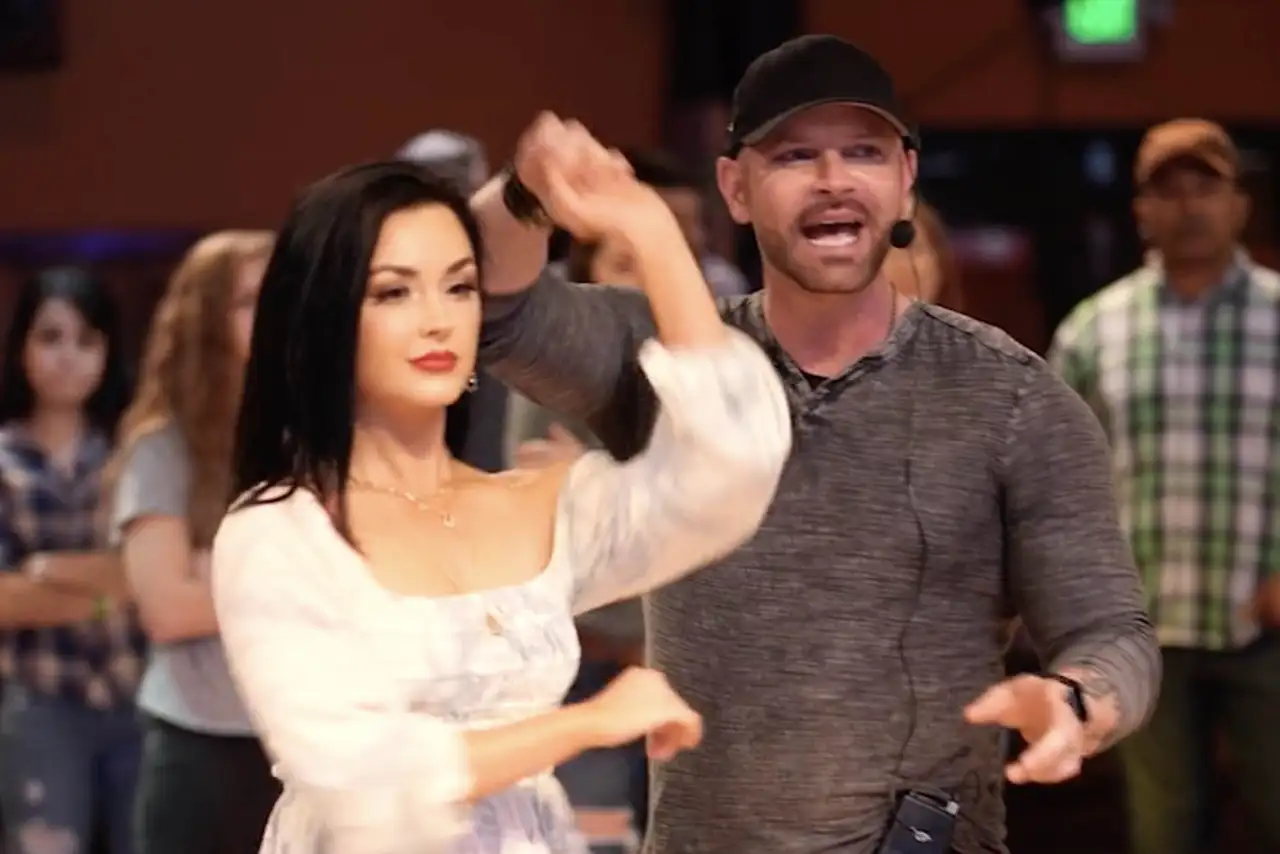
28:03
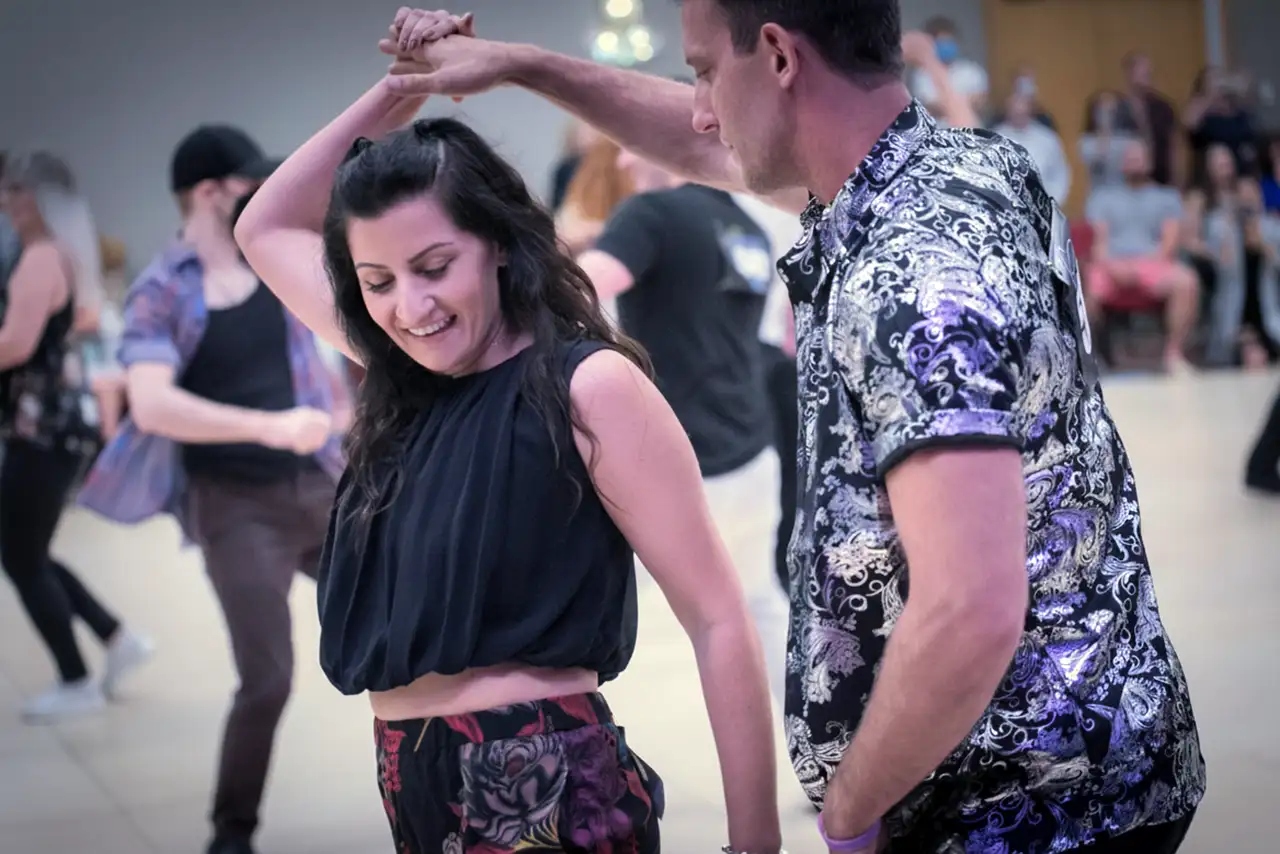
33:51
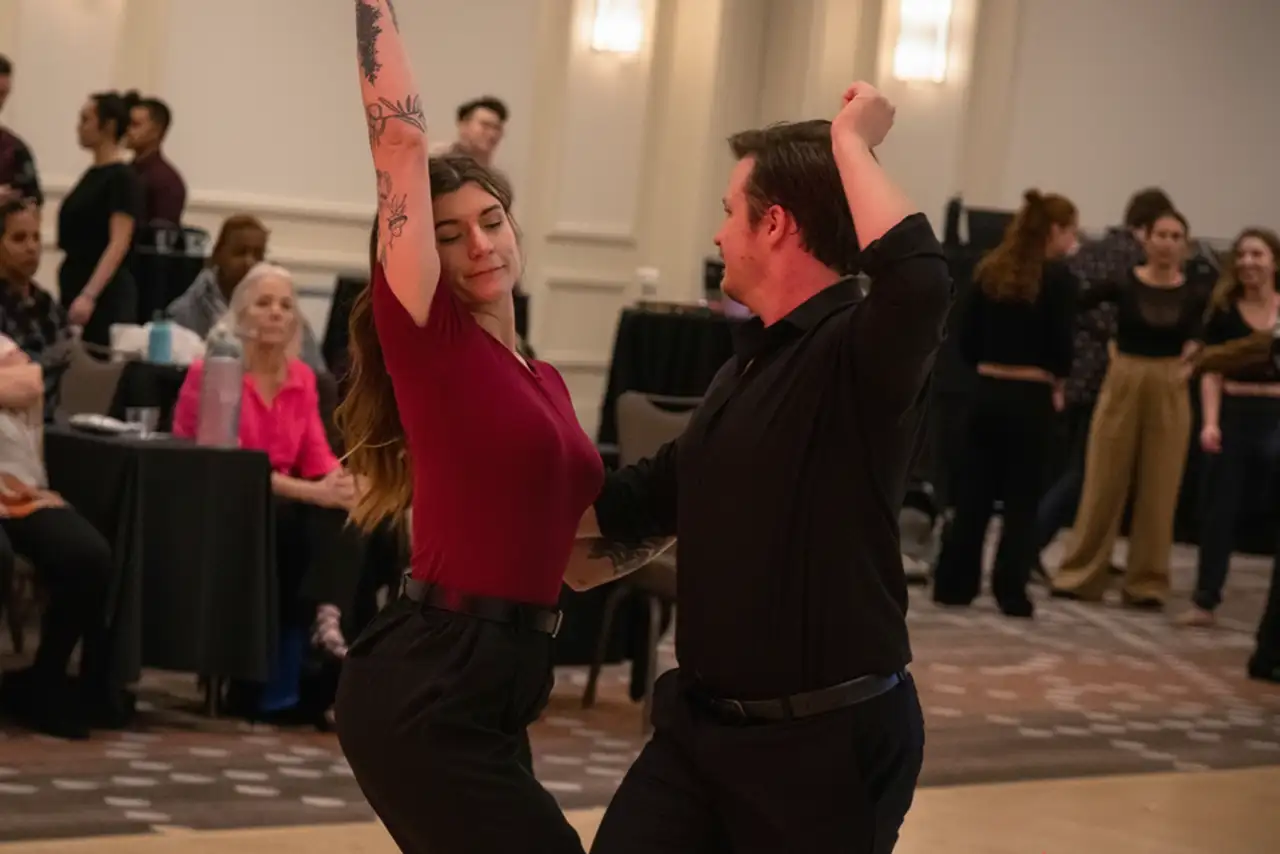
30:30
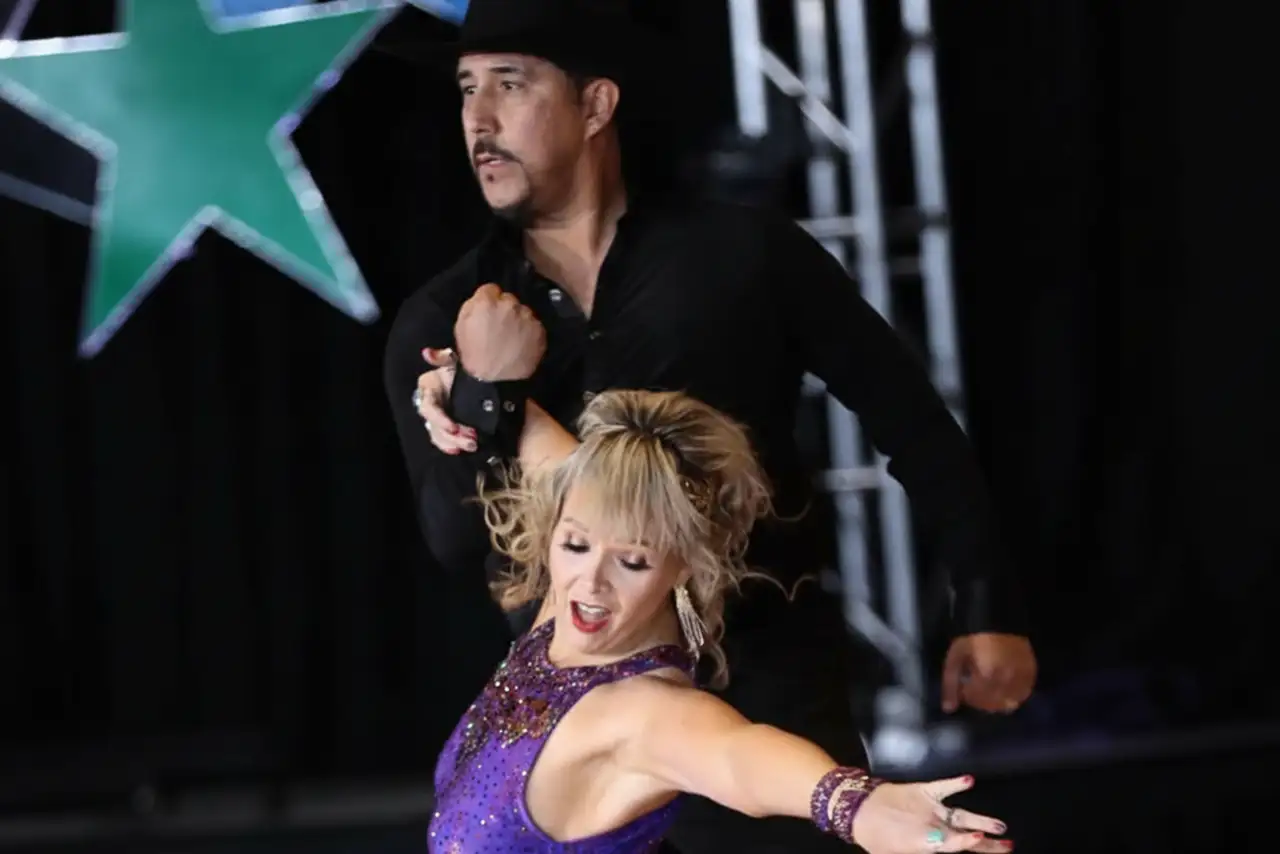
38:16
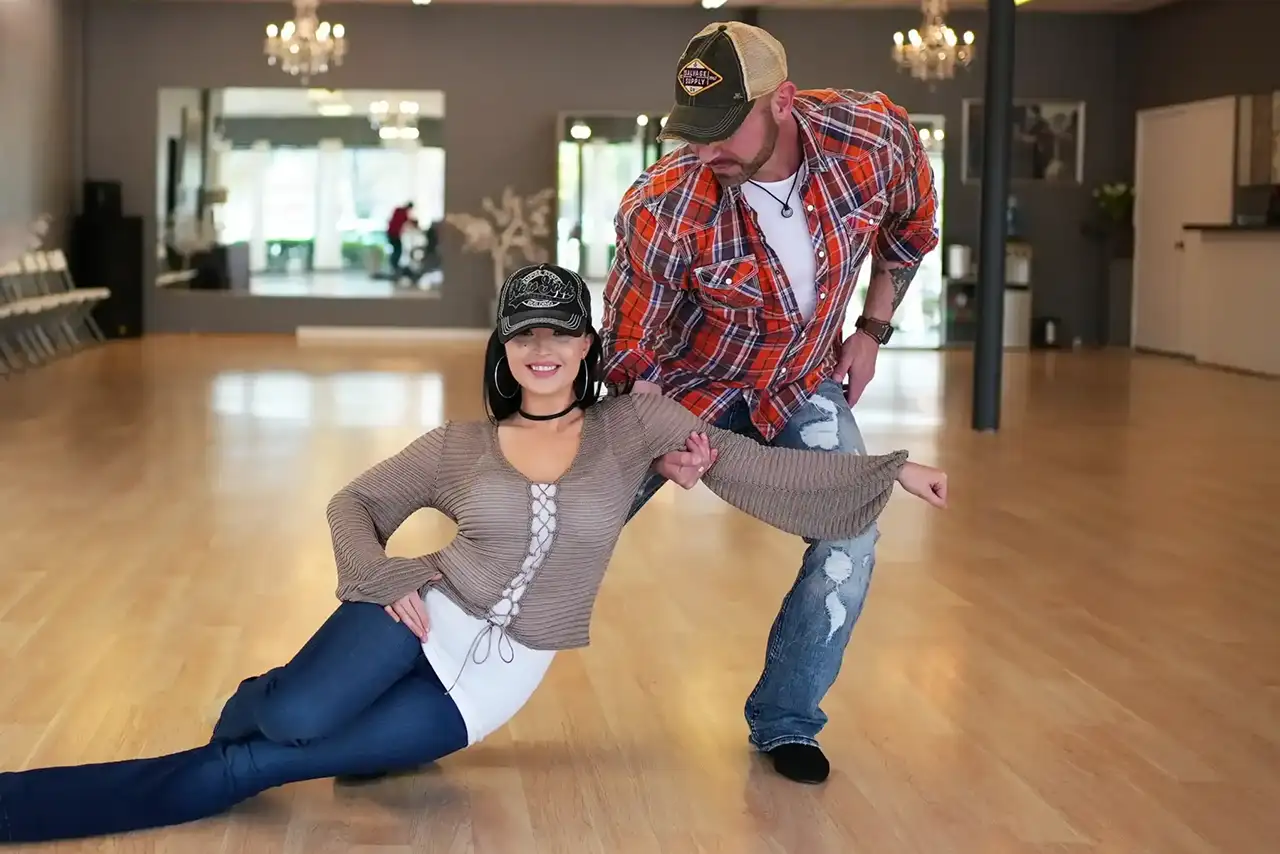
36:24

36:08
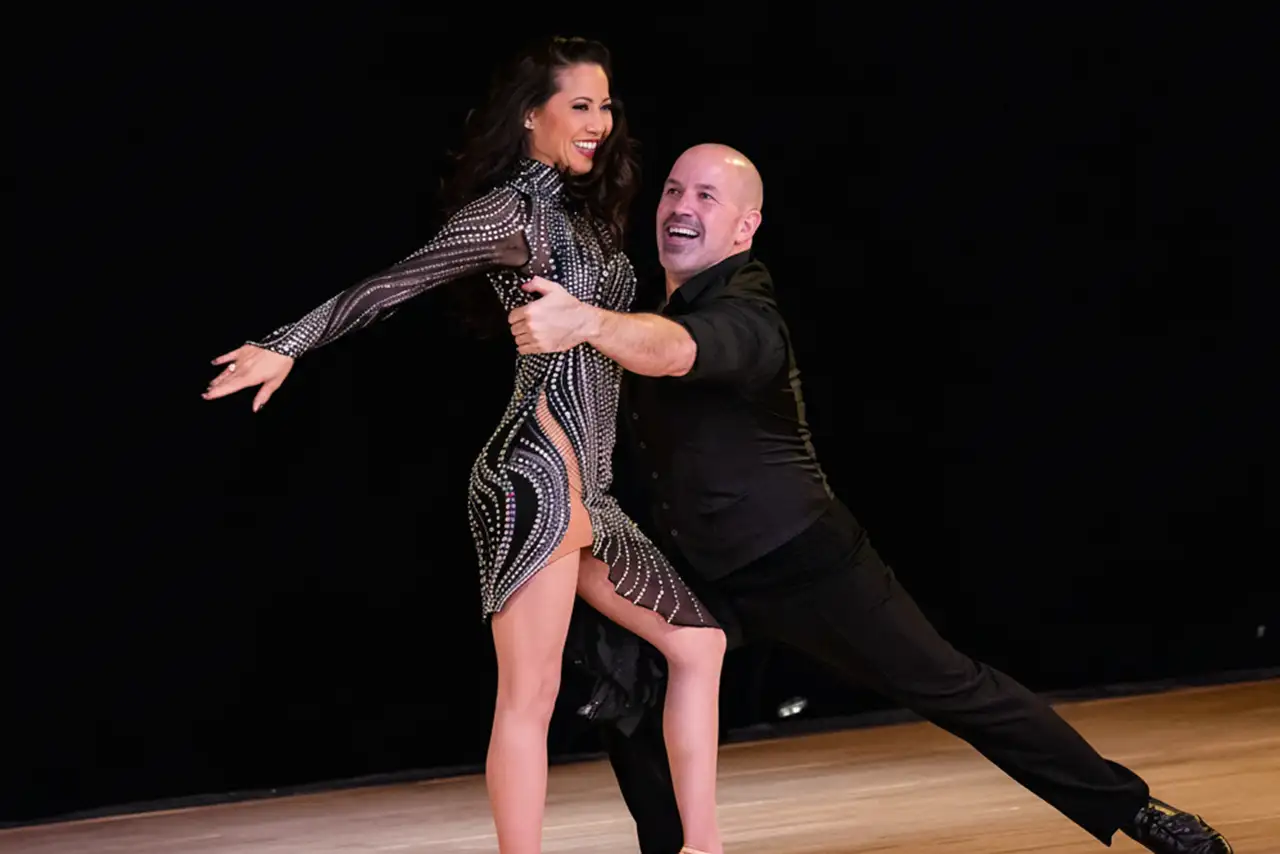
37:45
This class is all about understanding what’s actually going on in Country Swing, without overcomplicating it.
Anthony and Rose break the dance down into the core pieces that everything is built from, so instead of trying to keep up with a bunch of different moves, you start to see how they all connect.
They walk through how movement is created, how the lead and follow work together, and how to make things feel clear and comfortable instead of rushed or forced. You’ll also see how small adjustments in timing and positioning can completely change how a move feels.
The goal here isn’t to give you more patterns. It’s to make the ones you already know work better.
If you’ve ever felt like Country Swing is a mix of random moves that sometimes work and sometimes don’t, this class will help simplify it and make it feel a lot more consistent.
This class is all about what actually makes a sugar push and sugar tuck work.
Chaz starts by breaking down a simple but important idea. If the leader doesn’t get out of the way on the slot, you’re not doing a pass. You’re doing a sugar push or a sugar tuck. From there, everything becomes about how that redirection actually happens.
A big focus in this class is compression and how to create it correctly. Not forcing it. Not guessing. Actually understanding how both partners contribute to it so it feels clean and controlled instead of rushed or awkward.
For followers, he spends time on keeping a consistent frame. Not collapsing through the arms or shoulders, and not overextending either. Just enough structure to give the leader something real to work with.
For leaders, the focus is on when and where you absorb energy. If you wait too long or let your arms drift behind you, everything falls apart. But when you receive your partner in front of you and control that moment of compression, you gain options. You can redirect on four, delay it, or play with timing in a way that actually feels good.
That’s really what this class gives you. Control.
Instead of just doing a sugar push because “that’s the pattern,” you’ll understand how to shape it, adjust timing, and make it feel different depending on the moment.
If your sugar push has ever felt inconsistent or unclear, this will clean it up fast.
This class starts simple and builds step by step into a full pattern you can actually use on the floor.
Devin begins by dialing in the basics. QQSS timing, walking the floor, staying in line of dance, and getting comfortable moving at a natural pace. Then he goes into frame and positioning, showing exactly where your body and feet should be so you’re not stepping on each other and everything feels clean right from the start.
From there, he adds a basic underarm turn, focusing on the prep. Not a big movement, just a small rotation on the second slow that sets up everything that follows. Once that makes sense, the class starts to build.
You move into an open position with a two-hand hold, then learn how to turn from that position and expand the frame without losing connection. After that, he shows how to take that open position and turn it into something useful by rolling your partner into a cuddle. That’s where the “wrap me up” idea comes from.
Finally, he ties it all together into a full sequence.
Basic → open → turn → roll into cuddle → and back out to closed so you can keep dancing.
It’s a very practical class. Nothing flashy, just clear steps on how to build a pattern, control your timing, and understand where everything comes from so you’re not just guessing.
If you want something you can take straight to the dance floor and actually use, this is a good one to watch.
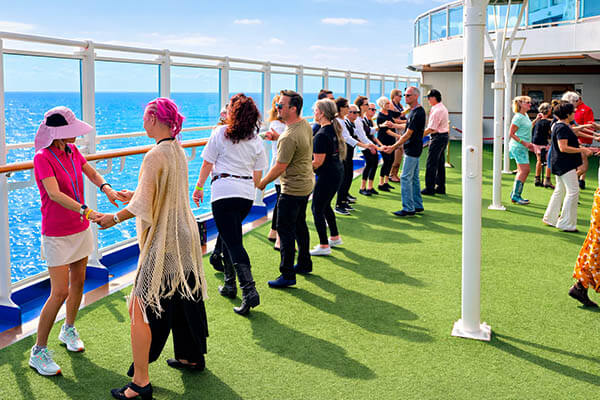
This class is all about getting comfortable with waltz in a way that actually feels natural and smooth.
Robert and Brigette start with the foundation. The timing. One, two, three. One, two, three. They relate it to the feeling of waves, so instead of thinking rigid counts, you start to feel that continuous flow that makes waltz look the way it’s supposed to.
From there, they focus a lot on frame and connection. Keeping space between you, using both hands to create pressure, and avoiding that collapsed “club” frame that makes waltz feel awkward. There’s a big emphasis on how the leader creates the structure and the follower fills it, so everything feels balanced and controlled.
Once that’s in place, they start building movement. You’ll work on traveling down the floor with promenade, making sure you’re staying in your own lanes and not stepping into each other. Then they add a simple check step, showing how to stop, redirect, and use your body to guide the turn instead of just your arms.
After that, they expand it into a pattern where you move across your partner and switch tracks, then bring it back around so you’re traveling the right direction again. It’s all very step-by-step, so you can see exactly how each piece connects.
The big takeaway from this class is control and flow.
How to move smoothly, stay in your own space, and actually lead and follow through your frame instead of just going through steps.
And honestly… doing this while looking out over the ocean doesn’t hurt either.
This class focuses on one more advanced country swing move and breaks it down piece by piece so you can actually understand how it works.
You start from a basic and move into a wrap (cuddle position), then build it into a traveling sequence where the follower keeps rotating and moving in one direction. A big focus here is not stopping the motion. Instead of doing separate steps, everything flows continuously from one part into the next.
You also get into the details that make or break the move:
- Creating a clear path so the follower can keep traveling
- Using the “break the wrist” to transition cleanly into the wrap
- Understanding the difference between traveling turns and spinning in place
- When to use pivots vs tighter turns depending on the situation
- Keeping everything clean with proper arm positioning, including “guard the girls”
In the second half, you unwind the movement, step out of the way to give the follower space again, and go under the arm before finishing with a free spin back into country swing.
The biggest takeaway from this class is simple.
The move itself isn’t the hard part. The fundamentals are what make it work.
This class builds a full rumba pattern from the ground up, while keeping the focus on smooth movement and control.
Josh and Angela start with the basics. The rumba box and timing, using a quick-quick-slow rhythm to get everyone moving together. From there, they layer in a simple routine step by step, adding a chassé, a series of rock steps, and a clean loop over the follower’s head to transition into the next section.
As the pattern develops, the focus shifts to how everything connects. You’ll work on arm positioning, keeping the connection light instead of gripping, and making sure each transition flows instead of feeling forced. Small details like opening the hand at the right time or stepping forward instead of to the side make a big difference in how the movement feels.
They then build into a side-by-side section with a half box and walking sequence, showing how to travel together and reconnect smoothly. From there, they add options like a swivel walk to give the movement a little more style.
The biggest takeaway from this class is rotation. Almost everything in rumba starts and ends with it. They break down how the hips move, how to create that motion naturally, and where it fits into the pattern so the dance actually feels smooth instead of stiff.
If you’ve ever felt like rumba looks good on others but awkward when you try it, this class helps connect the dots and make it feel a lot more natural.
This class is all about fixing your spins so they actually feel controlled instead of rushed or off balance.
Laureen starts by breaking down a simple turn on your own to figure out what’s really going wrong. The biggest focus is where your weight is. Instead of turning flat-footed, you learn to use the ball of your foot (under the first two toes) so you can stay balanced and in control.
From there, she shows how to properly prep the turn using your back foot, hips, and body position so you’re not forcing the rotation. You’ll also work on engaging your inner thighs and core to stabilize, plus keeping your head up so you don’t throw yourself off balance.
Once that’s working, you apply it to Two Step. You’ll go through a clean prep, turn, and walk-out, then build it into a pattern with turns and free spins that flow right back into dancing.
The big takeaway. Better spins aren’t about trying harder. They come from better setup and control.
Day Two
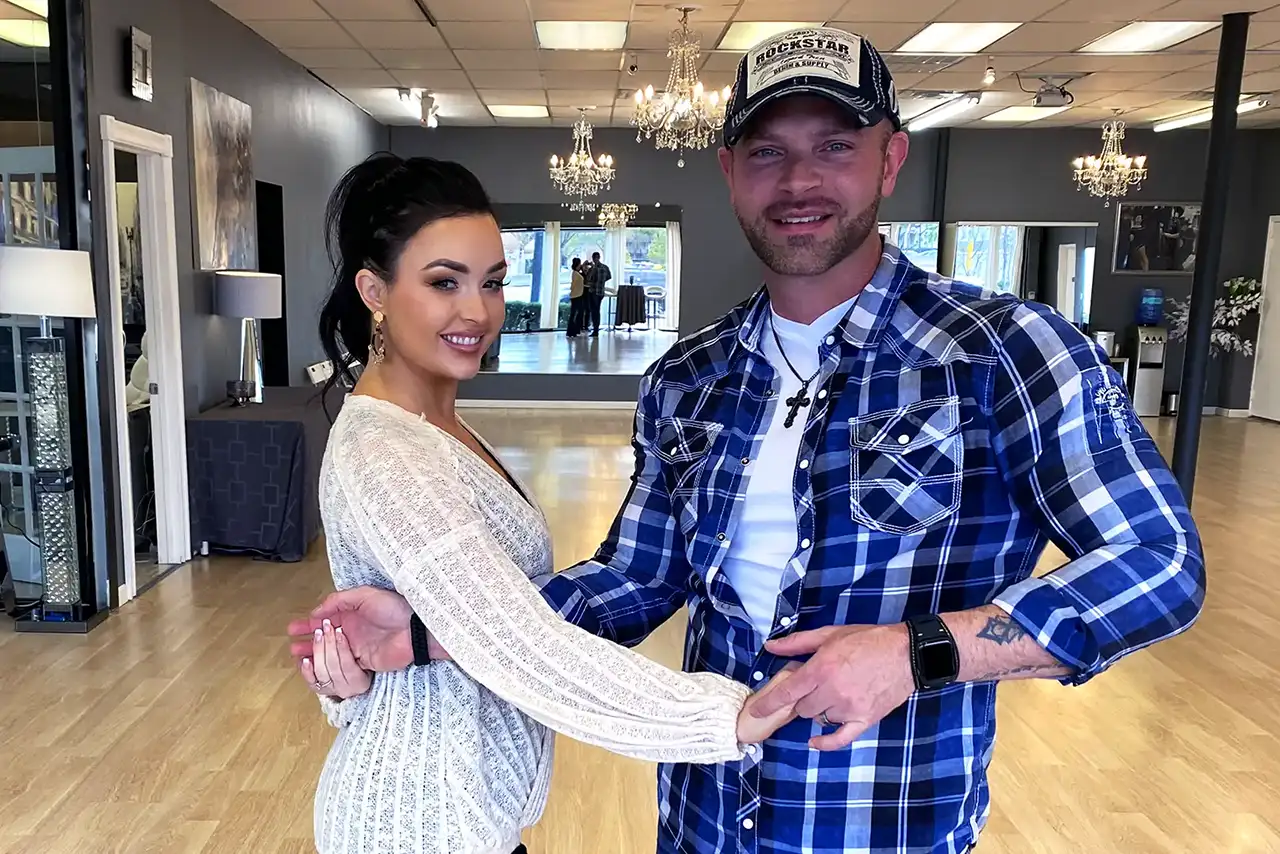
28:03
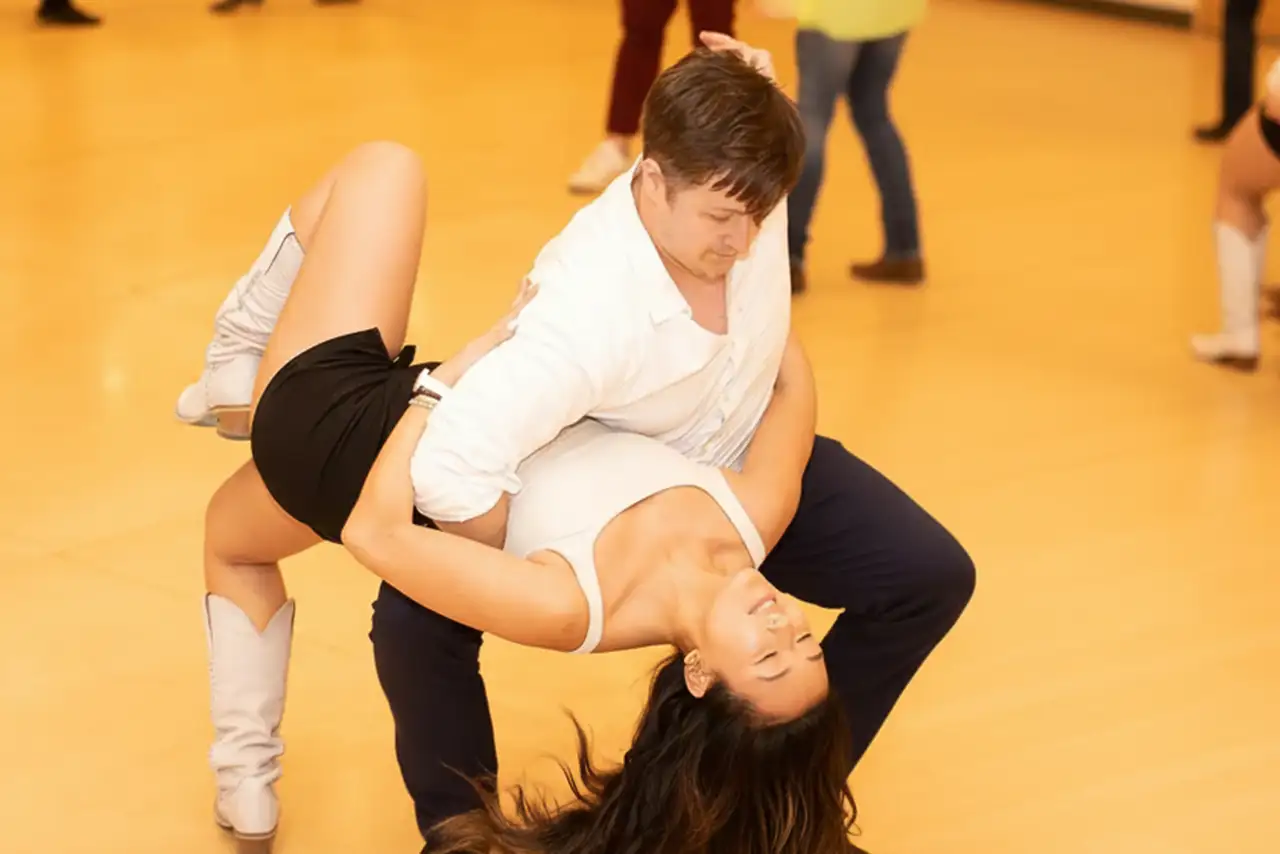
33:51
30:30
38:16
36:24
36:08
37:45
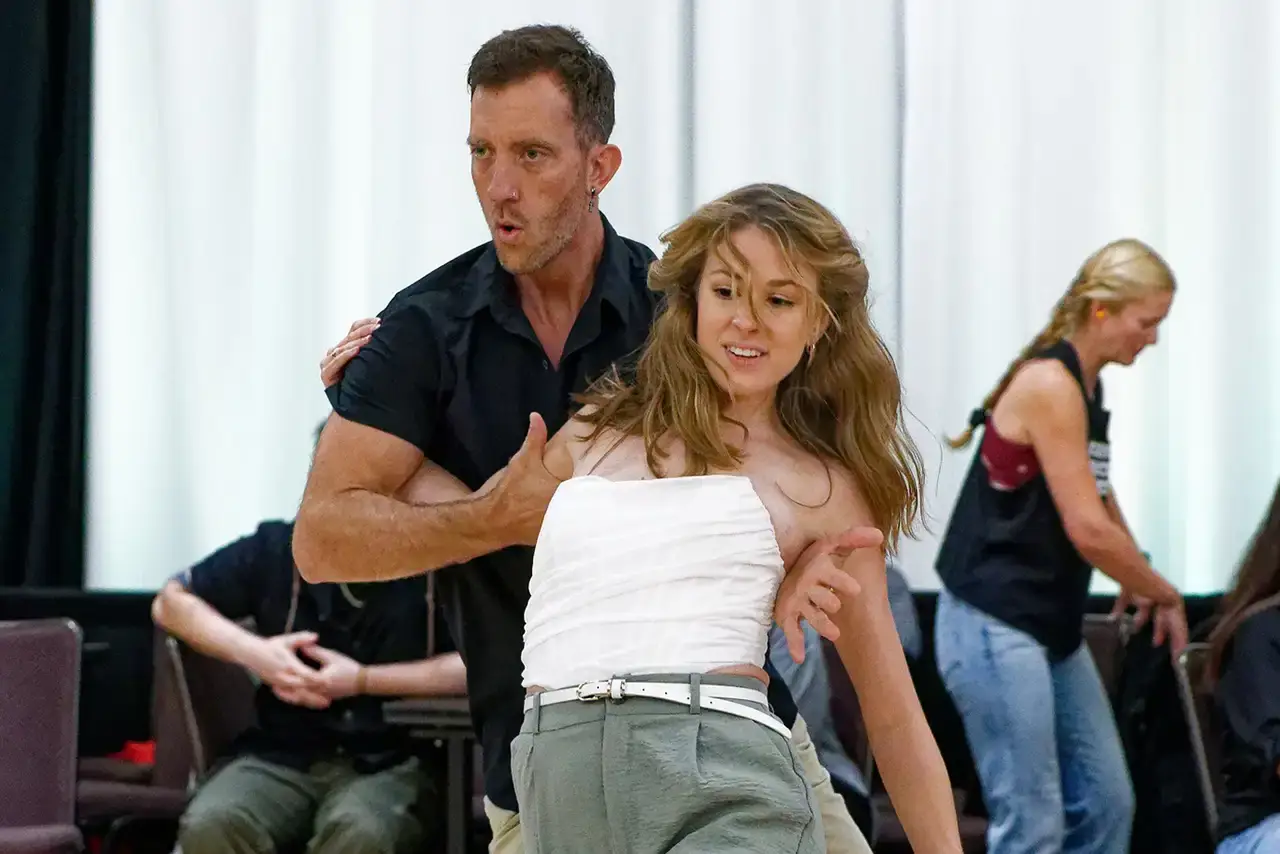
This class is all about understanding how East Coast Swing actually works underneath the patterns.
Instead of just running through moves, you break the dance down into three sections, showing how each part of the basic is independent and how that structure controls everything that happens next. Once that clicks, turns start to make a lot more sense.
A big focus is on when turns happen. Right turns happen on the second triple. Left turns happen on the first. That timing is what keeps everything clean and prevents the dance from feeling rushed or off balance.
You also get into how both partners share the movement. Instead of the follower doing all the turning, both leader and follower rotate together in the right amounts so everything stays comfortable and connected.
From there, you build it into a simple sequence with an outside turn, inside turn, and a hammerlock, all using the same system. Nothing new to memorize. Just applying the same structure in different ways.
You also cover the feel of the dance, breaking down how swing timing works musically so it actually feels like swing instead of just counting steps.
The big takeaway from this class is simple.
Once you understand the system, everything in East Coast Swing gets easier.
This class focuses on single time swing (jitterbug) and how to make it feel alive, rhythmic, and easy to move with.
You start by dialing in the foundation. Instead of triple steps, everything simplifies into side, side, rock step with a natural bounce through the body. That bounce replaces the triple and gives the dance its signature energy and pulse.
From there, the focus shifts to movement and rotation. Rather than forcing turns, you learn that rotation comes from something simple. Stepping slightly toward your partner on the slows naturally creates circular motion without effort.
A big part of the class is understanding connection.
- Slows create compression toward your partner
- Rock steps create stretch away from your partner
That push and pull is what drives the dance and makes everything feel connected instead of mechanical.
Once that foundation is clear, you build into patterns:
- A rotating basic
- Inside turns based on hand direction
- A leader’s belt loop (breakthrough turn)
- Transitioning into a sweetheart position
Each pattern is built off the same basic timing and connection, so nothing feels separate or complicated.
The overall idea is simple.
You are not memorizing moves. You are using bounce, connection, and rotation to make everything work naturally.
This class focuses on improving your West Coast Swing by working on fundamentals, not patterns.
It starts with something simple but important. How you walk. You’ll learn to use the ball of your foot (first two toes area) to create better balance and smoother movement in both directions.
From there, the focus shifts to connection and timing. A big concept is staying in the “pocket.” Followers wait for the lead instead of anticipating, and leaders control when movement happens. It becomes a true action and reaction instead of both people moving at the same time.
You also work on slowing everything down. Taking one step over multiple beats forces better control, balance, and awareness.
Other key details:
- Keeping hands low near the hips
- Relaxed arms with slight bend in the elbows
- Creating connection from the base of the fingers instead of gripping
The class finishes by applying these ideas to a cleaner, more controlled sugar push.
The big takeaway.
Better dancing comes from better fundamentals, not more moves.
This class starts with the feel of salsa, not just the steps.
You begin with a full body warm-up to create freedom of movement, focusing on loosening up the hips, upper body, and overall motion. The idea is simple. It’s not just what you do in salsa, it’s how you do it.
From there, you break down the basics:
- Forward and back basic
- Side basic (cucaracha)
- Timing using quick, quick, slow
Once that foundation is clear, everything builds into a short routine using those same pieces.
The pattern includes:
- A neck wrap for the leader
- A wrap into shadow position for the follower
- A walk-around that creates a circular flow
- An underarm turn to bring you back together
- A simple “comb” to finish and reset
Throughout the class, the focus stays on movement, spacing, and keeping your feet going, instead of getting stuck thinking about the arms.
The biggest takeaway is learning to recognize elements instead of memorizing patterns. Once you understand the building blocks, you can pause, reset, and keep dancing without getting lost.
This class focuses on one of the most requested moves we get asked about. The windmill. But before getting into it, you start with something more important. How to actually move in two step.
You cover staying in the line of dance, keeping everything moving forward, and not stopping or changing direction in the middle of the floor.
From there, you break down the windmill. It’s built on simple pieces:
- Chaîné-style turns (feet apart → together → apart)
- Both partners turning together in tandem
- Keeping the hands on the outside the entire time
The part that makes the move work is the footwork. Leaders have to switch onto the follower’s timing by replacing quick, quick with a slow so both partners are on the same foot. Then reverse it to get out.
You also cover hand control, using a “clock” idea around the follower’s head to time the hand change correctly, and finishing with a free spin back into two step.
The biggest takeaway.
If you’re not in sync with your partner, none of this works.
This class is all about getting comfortable with line dancing by learning the core building blocks that show up in almost every dance.
Brigette starts simple to build confidence, breaking down a beginner-friendly routine with slides, kick ball changes, and groove steps, then walking it around all four walls so you understand how line dances actually flow on the floor.
From there, she builds into a second, more popular dance (“Boots on the Ground”), layering in:
- Groove steps and directional movement
- Point patterns (front, side, back)
- Rock and recover with turns
- Walking and styling sections to add personality
The focus isn’t just memorizing steps. It’s recognizing that most line dances use the same pieces over and over, just arranged differently.
You also learn how restarts and tags work, plus when you can relax and just have fun with it.
The big takeaway.
Once you understand the building blocks, line dancing becomes way easier and a lot more fun.
This class breaks down how to actually do “rides”. Those smooth, circular spins you see on the floor that look effortless but usually feel impossible at first.
The focus is on leverage and counterbalance. Instead of the leader spinning the follower, both partners send their weight away from each other to create momentum, like a merry-go-round.
You start by learning the feeling first, then build it into a real setup where the follower walks, plants the right foot, and both partners use that weight away to create the spin.
Key details:
- Weight comes from the center, not the shoulders
- The follower’s planted foot stays still or the ride stops
- Leaders keep a wide frame instead of pulling in
You also go through a few variations, including different holds and a shoulder spin entry into the ride.
The big takeaway.
Rides don’t come from forcing the spin. They come from creating the right connection and letting the movement happen.
Day Three
29:44
0:00
29:50
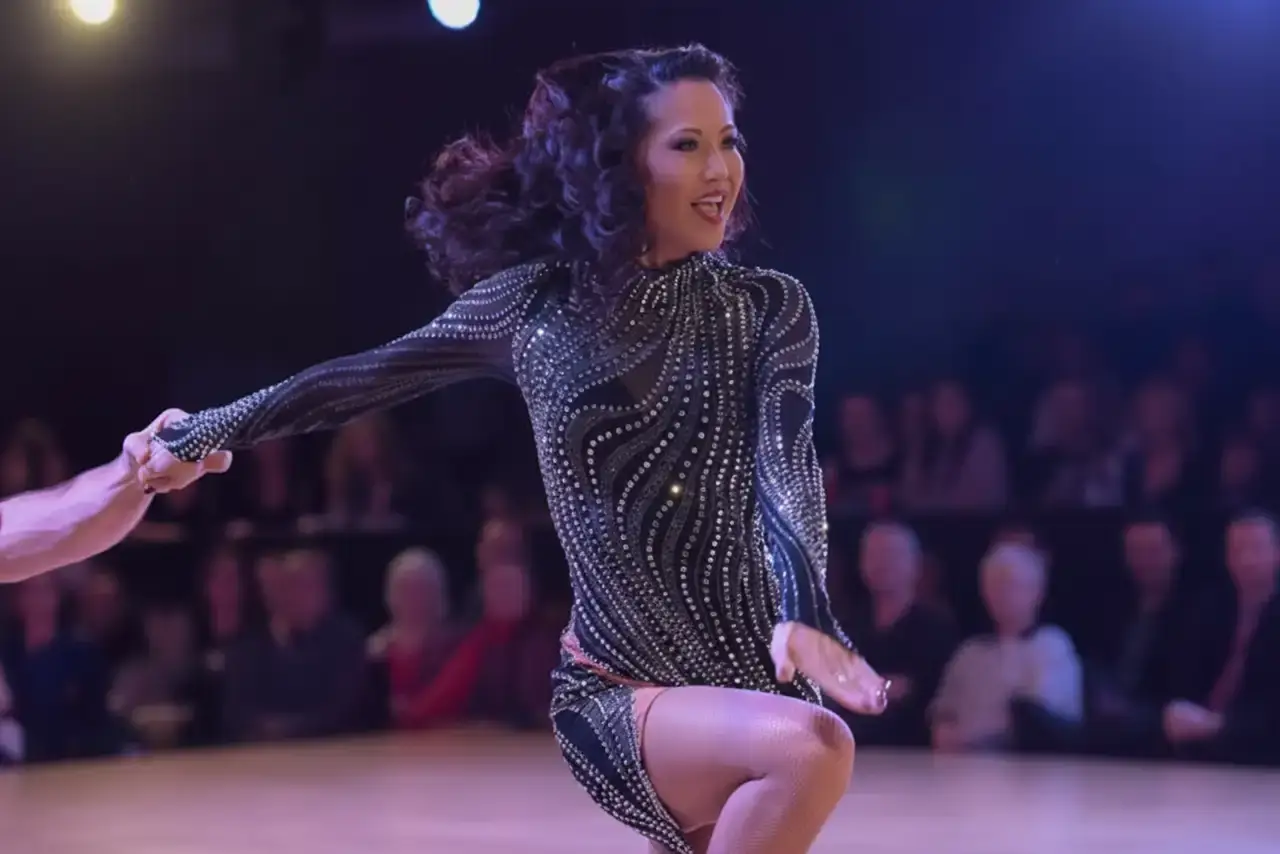
36:20
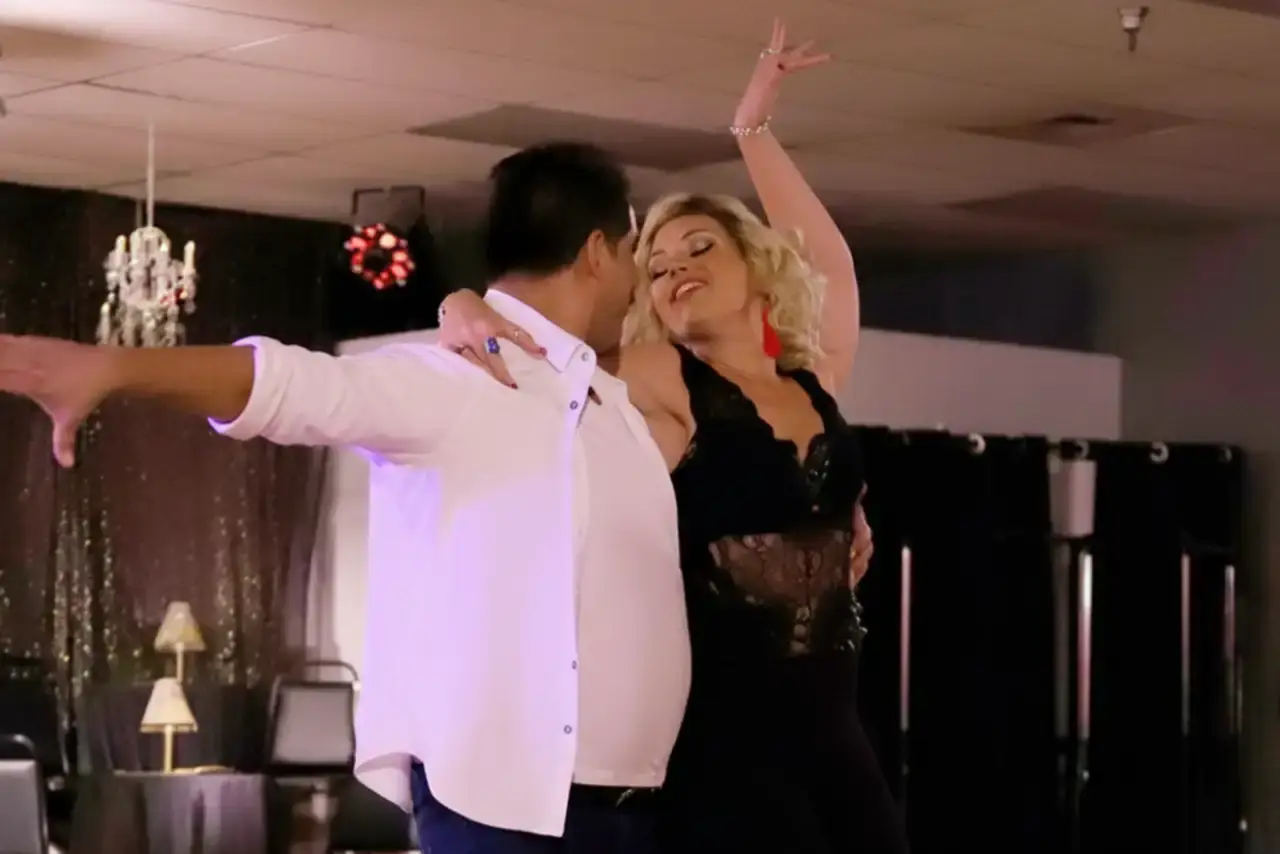
41:32
This class is all about helping everything make more sense.
Instead of just teaching moves, Anthony and Rose break down how different dances are actually connected so you can start recognizing patterns instead of memorizing them.
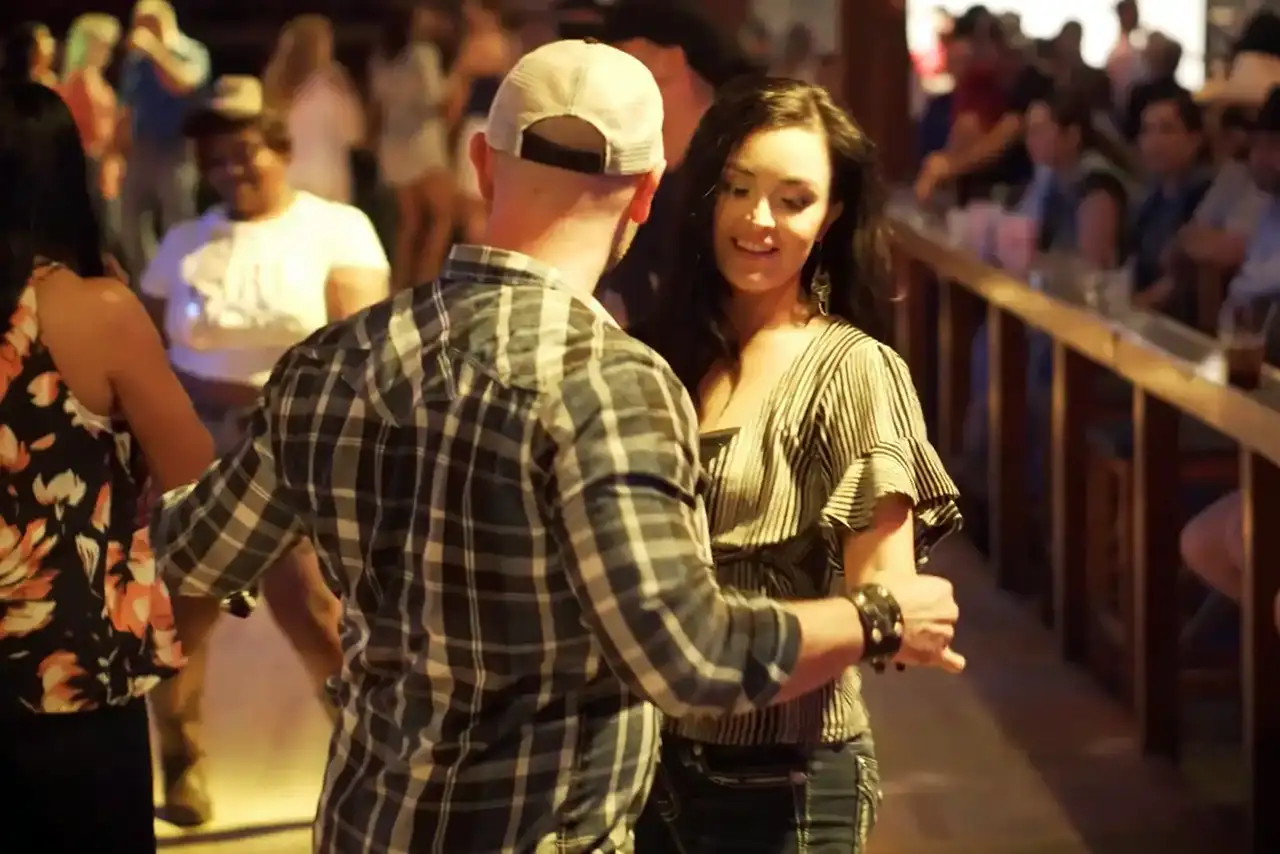
The main focus is the relationship between two step and polka. You learn that they’re essentially the same dance, just with different timing. Once you understand how to translate quick, quick, slow, slow into triple step and “sa-la-low,” you can take anything you already know in two step and apply it to polka right away.
From there, you apply it to real patterns like outside turns, sweetheart, and free spins, showing that nothing new is required. Just a different rhythm.
The class also connects the dots between other styles, like salsa, mambo, and cha-cha, showing how they all share the same structure with slight rhythm changes.
The big takeaway.
Once you understand how dances relate to each other, you unlock way more options on the dance floor without having to learn everything from scratch.
During this portion of Day 3, we experienced an issue with the audio recording, and unfortunately the original class audio did not capture properly.
Because of that, the video from this time period is not usable in its original form. We’ve included this placeholder so you know exactly where this section fits in the schedule.
We are currently working to see if the audio can be restored. At this point, we can’t guarantee that it will be possible, but if we’re able to recover it, we will update this video right away.
Thanks for your understanding.
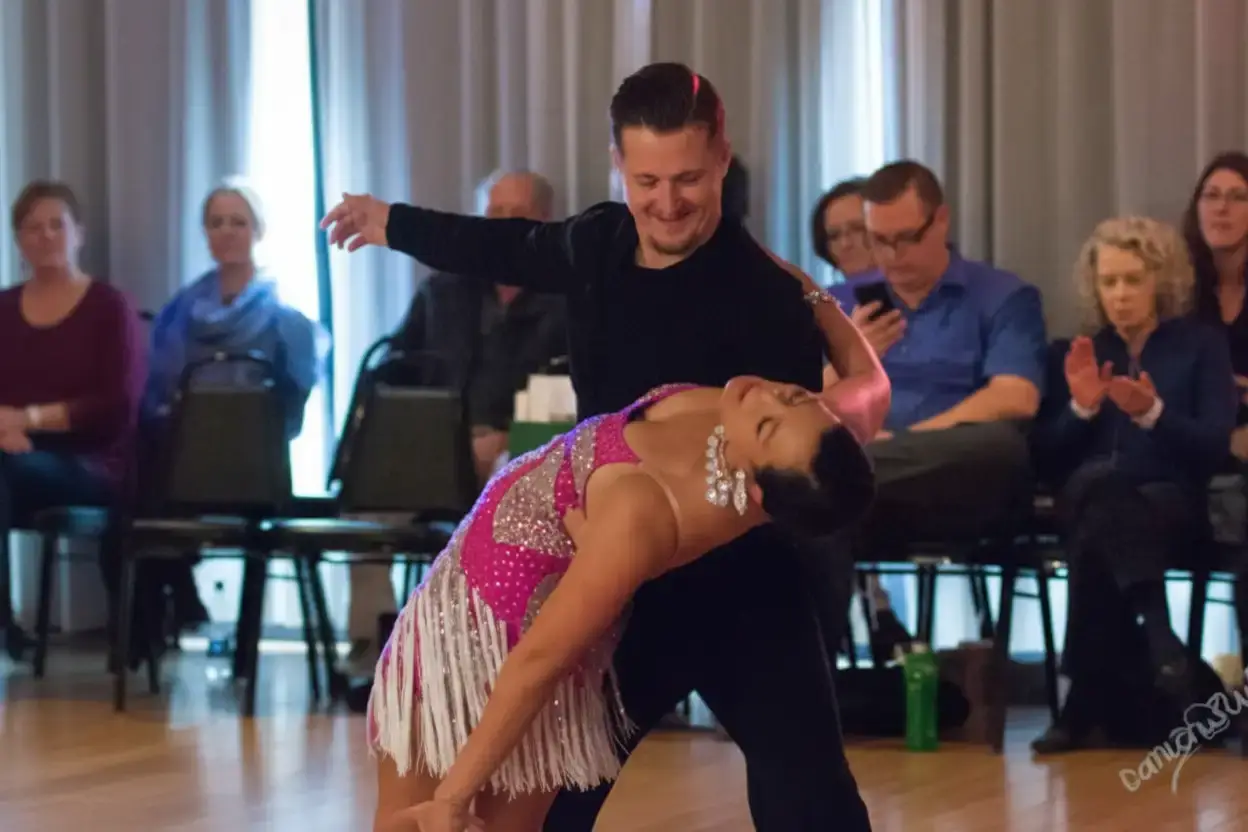
This class starts with the bachata basics and builds into a clean, flowing pattern you can actually use right away.
Devin goes through the side basic and tap, focusing on control and keeping your weight where it should be, then add side taps to create movement and spacing.
From there, you layer in turns:
- Basic turns for the follow
- Reverse turns for the lead
- Using the tap to set up everything so it stays on time
The main feature is the leader’s duck, showing how to create space with the arm and guide the movement without forcing it.
By the end, everything connects into a smooth sequence that cycles right back into your basic so you can keep dancing without stopping.
This class focuses on adding styling to your West Coast Swing without messing up the lead.
You work off a basic right side pass and learn how to layer in a simple point and step variation, using diagonal foot placement and rotation to create a cleaner, more polished look.
A big focus is on how the body creates the look:
- Using core and inner thighs for control
- Leading movement from the hips and knees, not the feet
- Keeping the foot pointed instead of flexed
You also work on finishing positions, collecting your feet before moving forward so everything looks more intentional instead of rushed.
All of this is designed to fit inside patterns like side passes and sugar pushes without affecting your partner.
This class focuses on making turns feel faster without forcing them.
The key is simple. Followers step forward into turns instead of spinning in place, which makes everything smoother and easier while keeping the dance moving down the line of dance.
You start with a progressive basic, where leaders move forward and get the follower slightly off the track, then build into a “cut off” position where partners end up close and slightly offset.
From there, you work through:
- A couple’s turn, rotating together instead of spinning the follower
- An outside turn with a clean lead (overhead to the shoulder)
- Staying behind the follower and using small steps for control
You also cover connection at the end of turns so everything feels stable instead of rushed.